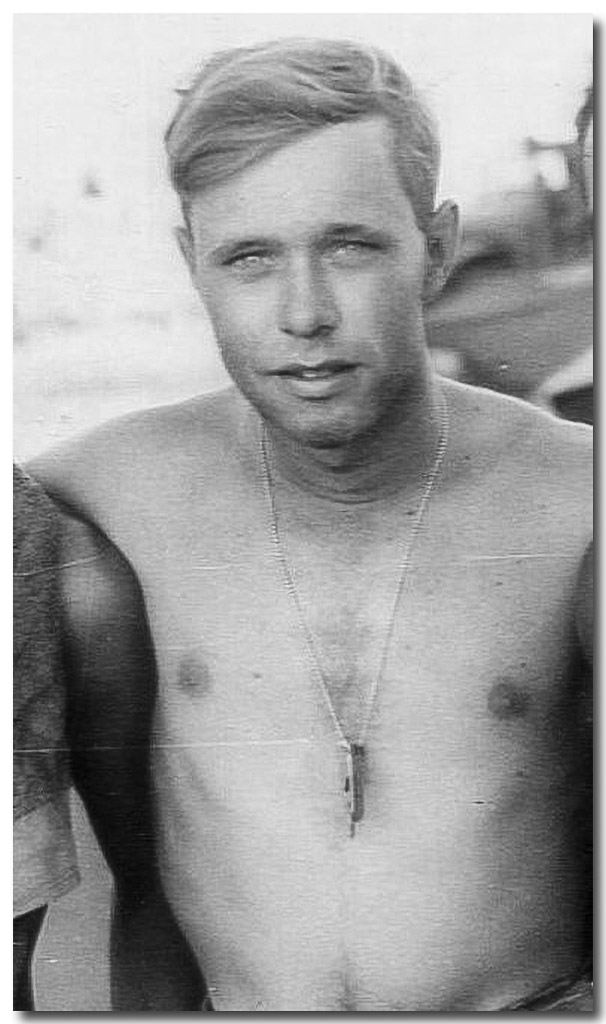
Ray Manzo was born March 19th, 1949 in Germantown PA.
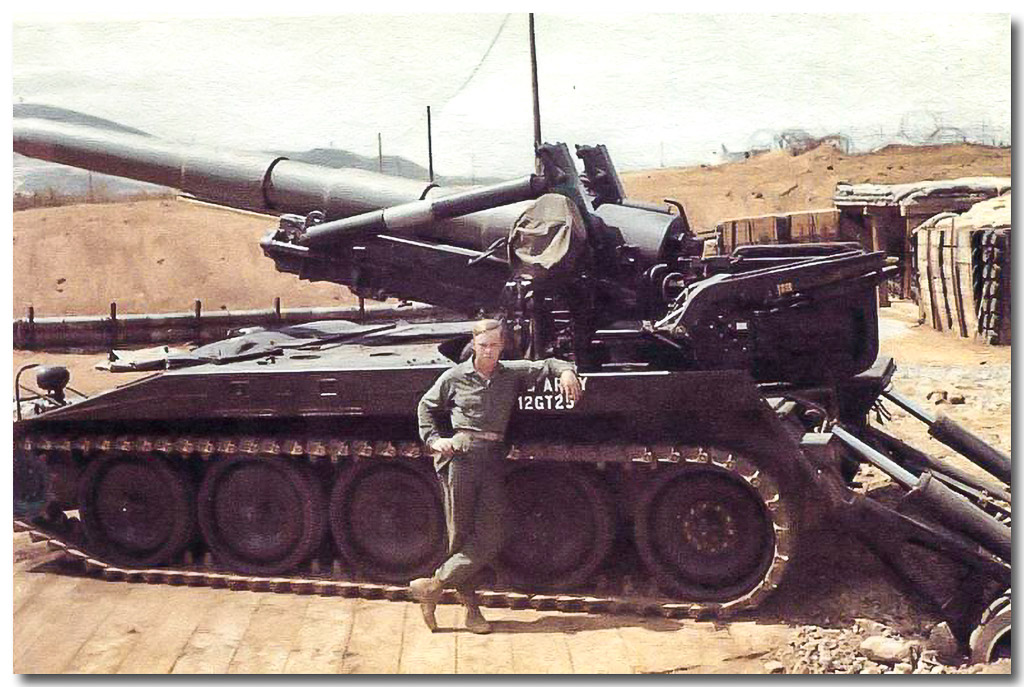
In 1967, when he was 18 years old, he volunteered for the Marine Corp. The Vietnam War was then in full swing, dominating the news coverage at the time. He knew what he was getting into and that he probably would see combat.
After boot camp at Parris Island, he was off to Vietnam, arriving on January 3rd 1968.
Upon exiting the plane, the extreme heat and humidity hit him like a ton of bricks. He said to himself “Welcome to Hell.”
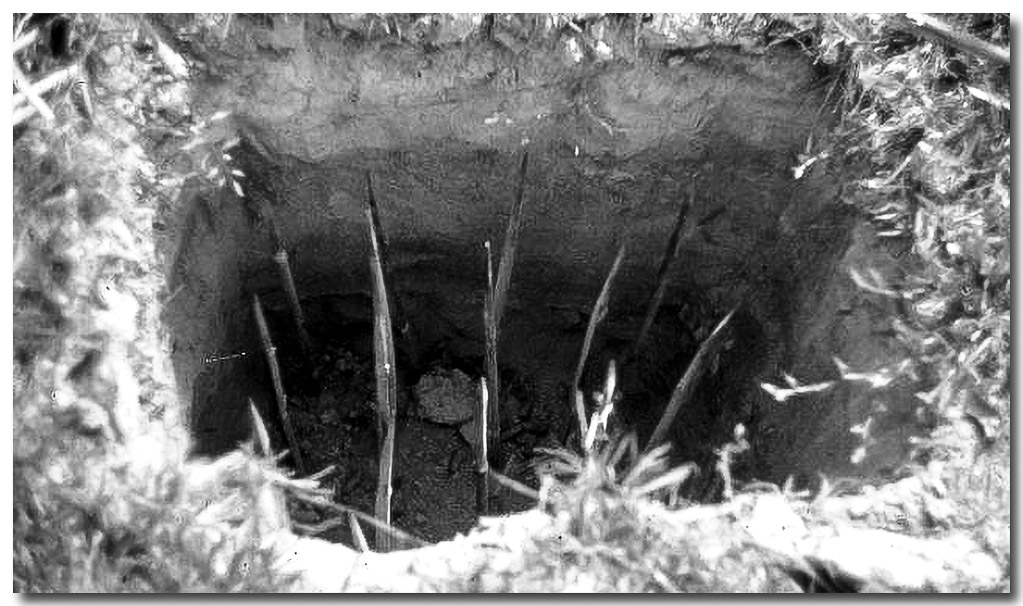
Ray Manzo was a “combat engineer”. His specific duties were recognizing and dismantling landmines and the many creative booby traps that the enemy the Viet Cong planted in the jungles of Vietnam.
The Viet Cong were frequently unable to hold their own in stand-up fights against the Americans. So, they relied on guerrilla warfare tactics including hit-and-run attacks, ambushes, and booby traps. The Viet Cong were skilled at hiding booby traps in the varied terrain of Vietnam, often placing them in totally unexpected locations. Booby traps could be made in large numbers and be of simple design using primitive materials such as pointed sticks or more complex using modern explosives.
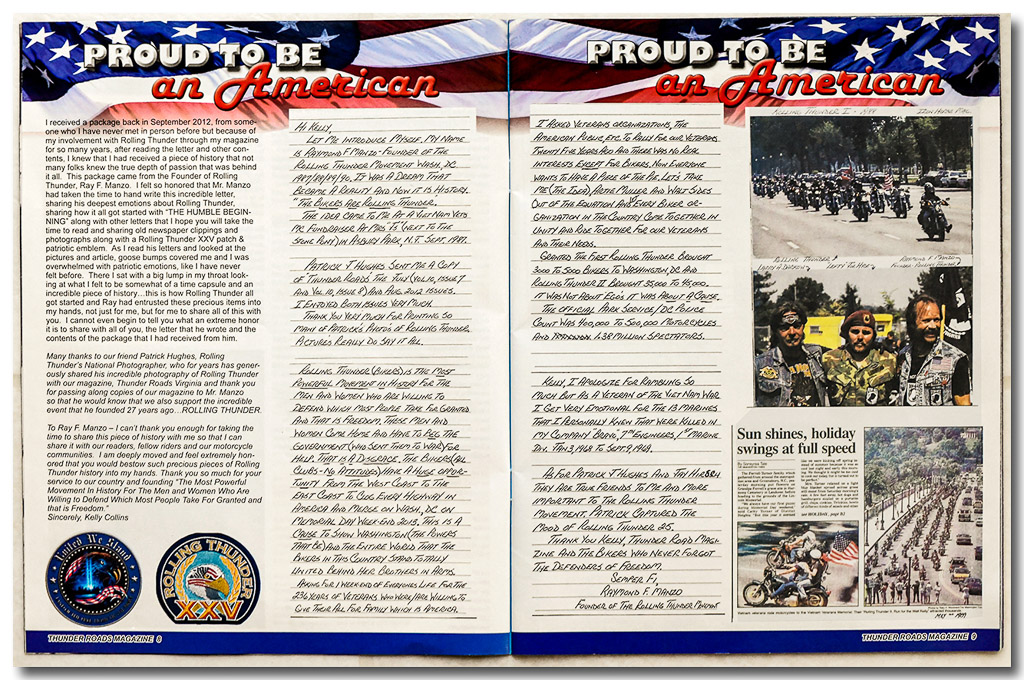
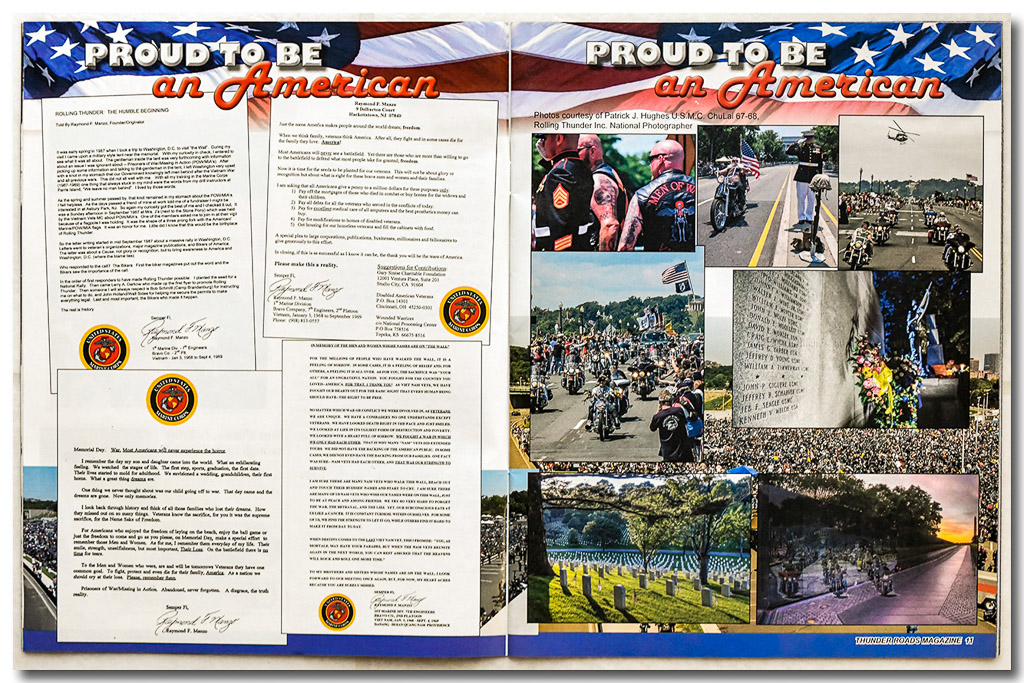
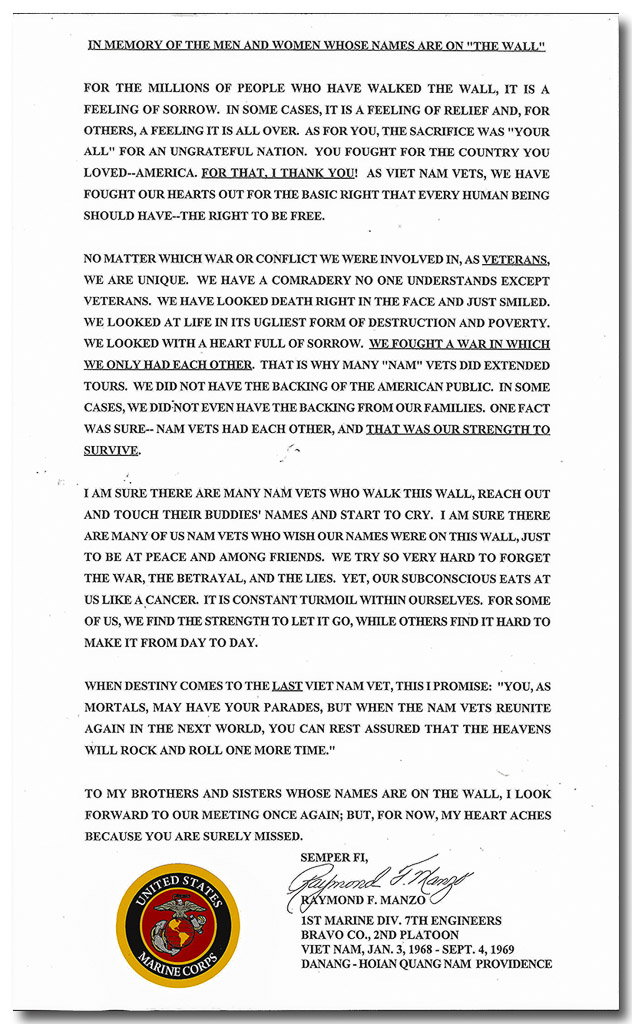
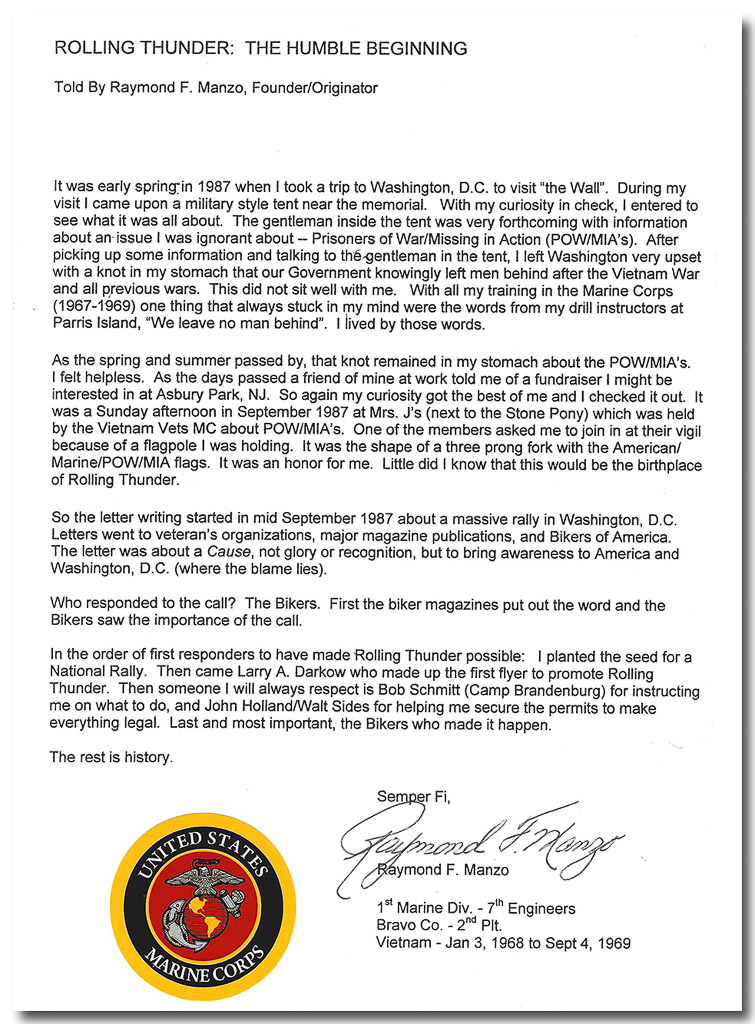
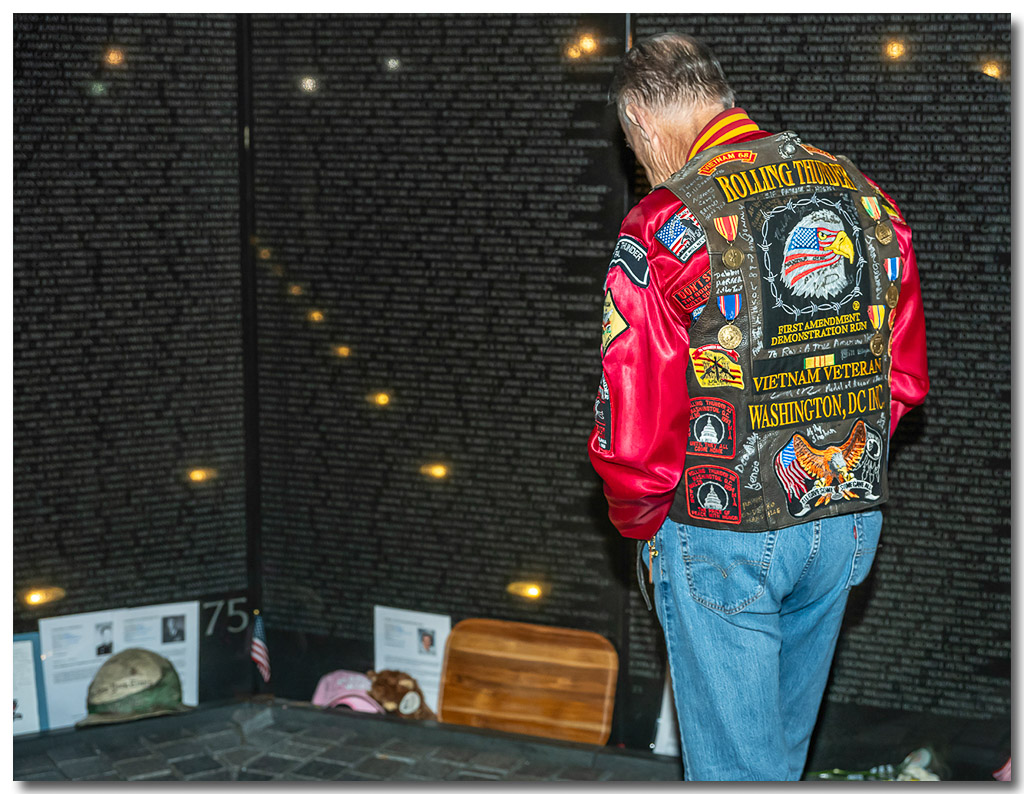
In 1987, Ray visited the Vietnam Veterans Memorial in Washington D.C.. In talking to some other veterans, he became aware that some POW’s were rumored to still be alive and held in Vietnam. He also learned that many of the bodies of Americans killed in action had not been returned to the U.S.
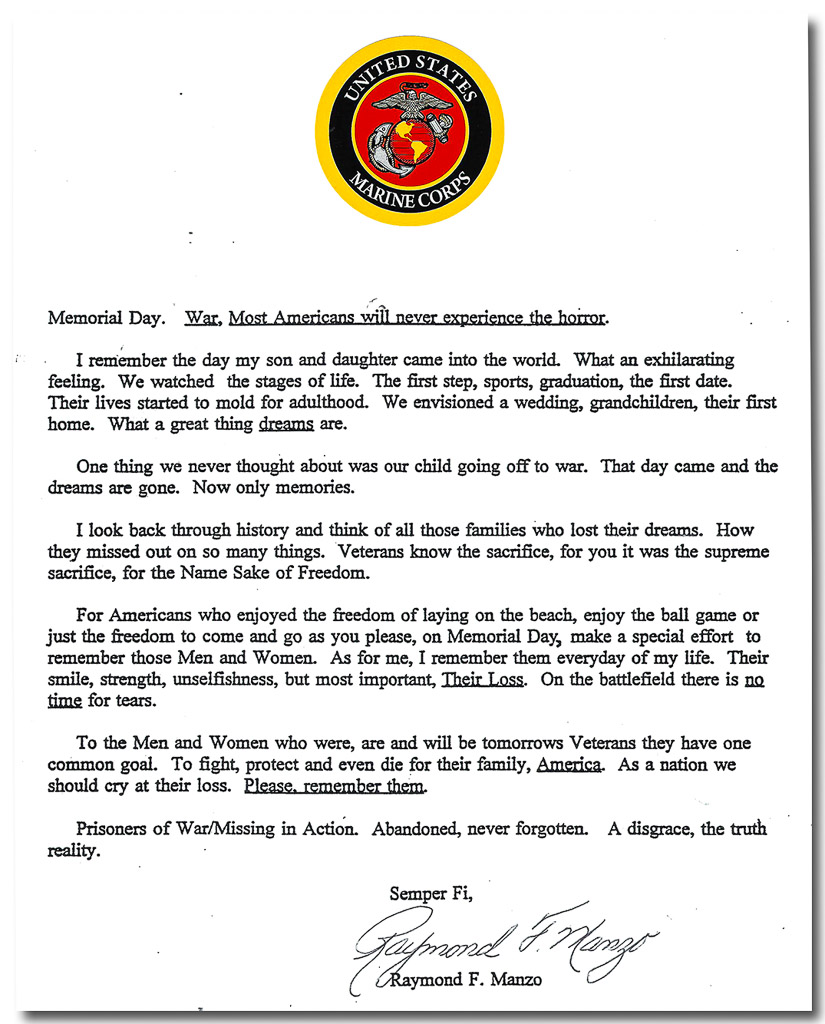
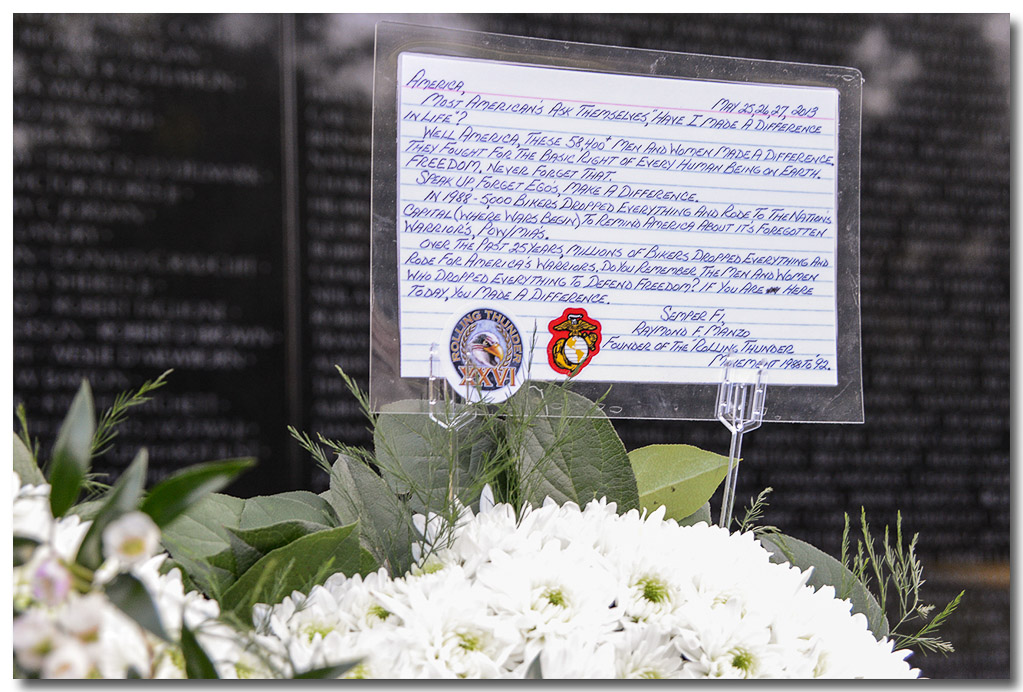
America seemed to have forgotten the MIA/POW of the Vietnam war.
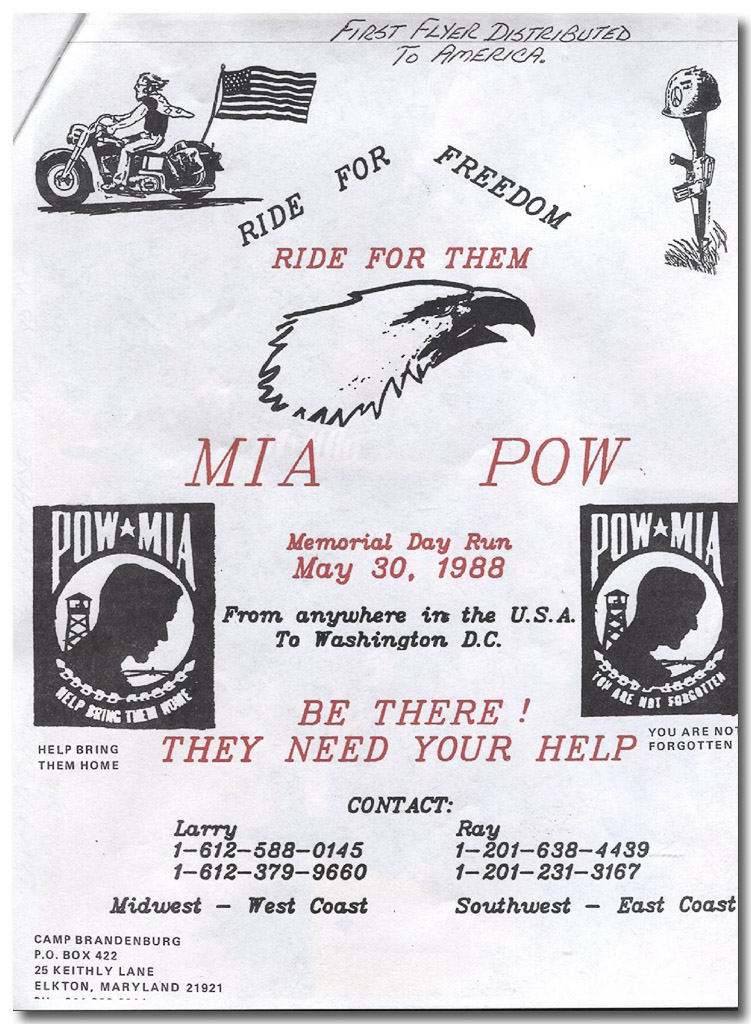
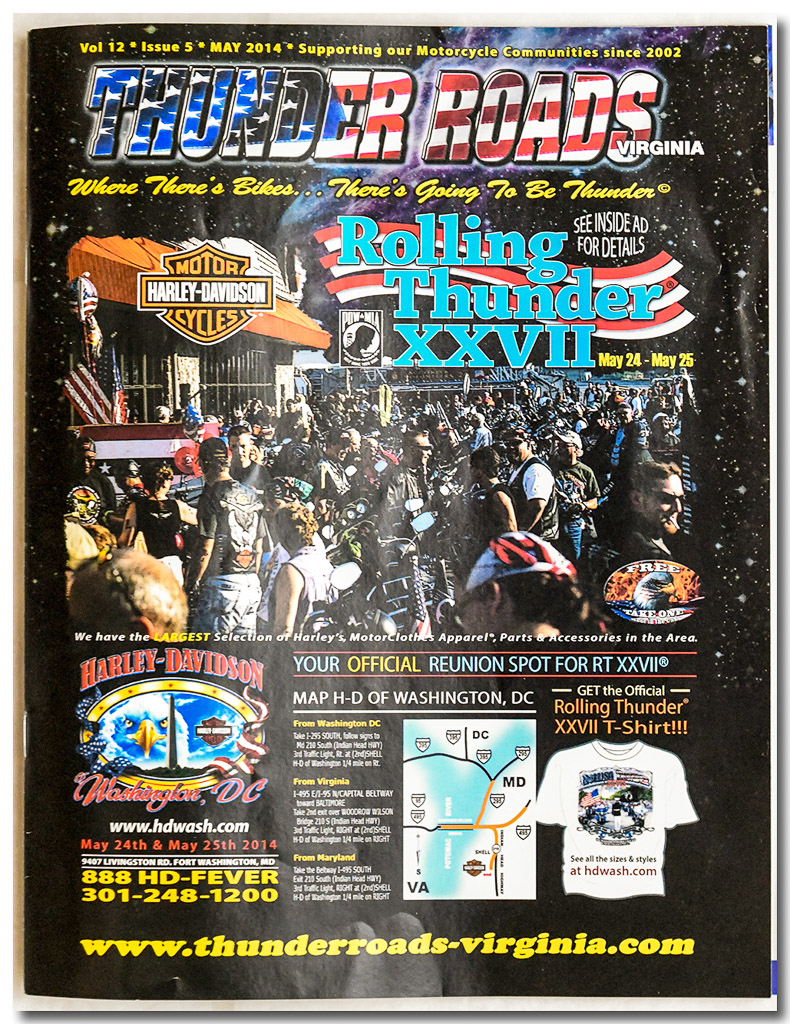
Later at a POW/MIA vigil held by the Vietnam Veterans Motorcycle Club, the idea came to Ray for a motorcycle rally in the nation’s capital.
The rally would have various goals. One was to show the country that the POW/MIA still mattered.
Ray wanted the government to do a full investigation to see if any Americans were still being held in Vietnam.
Everything possible should be done to bring home the bodies of Americans killed in the war.
Ray went into action. Writing letters and contacting government officials.
Working with other veterans, the plans took shape. Together with John Holland, they obtained all the necessary permits.
Initially they were supposed to enter the city by tunnel. But Ray then spoke to the Washington police to see if they could change the approach into the city by going over the Memorial Bridge as it would create a bigger impact with the roar of the bikes sounding like “rolling thunder.” Thus, the name “Rolling Thunder” was born.
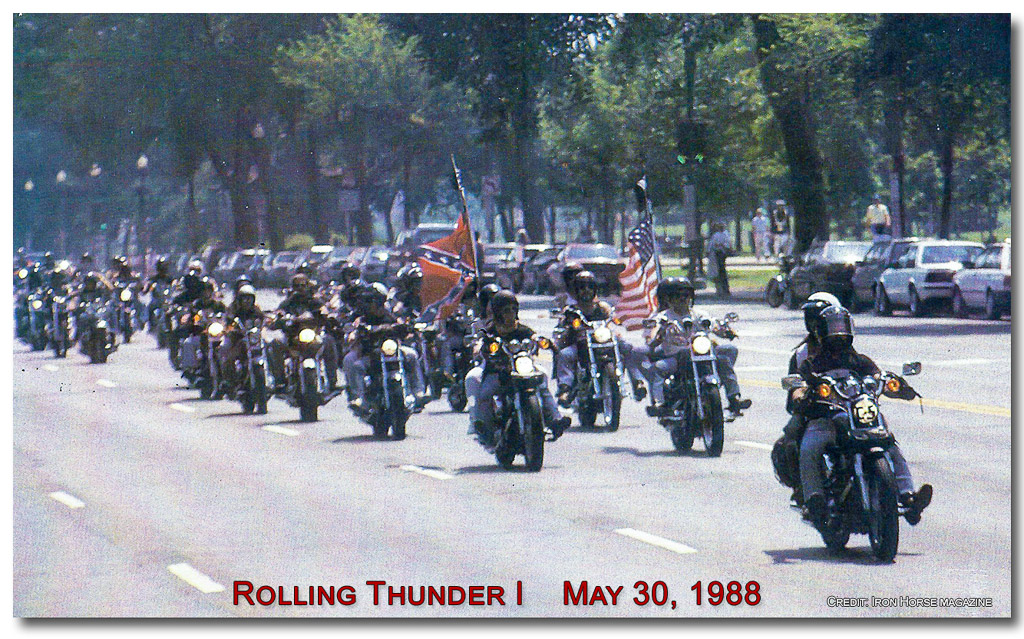
Interest grew and on Memorial Day 1988, 3500 bikers showed up for the trek across Washington D.C. They met in the parking lot of the Pentagon and then rode over the bridge. They went past the Lincoln Memorial, toured around Washington, and ended up at the Vietnam Veterans Memorial.
The rally was a tremendous success. It was an emotional day for the veterans.
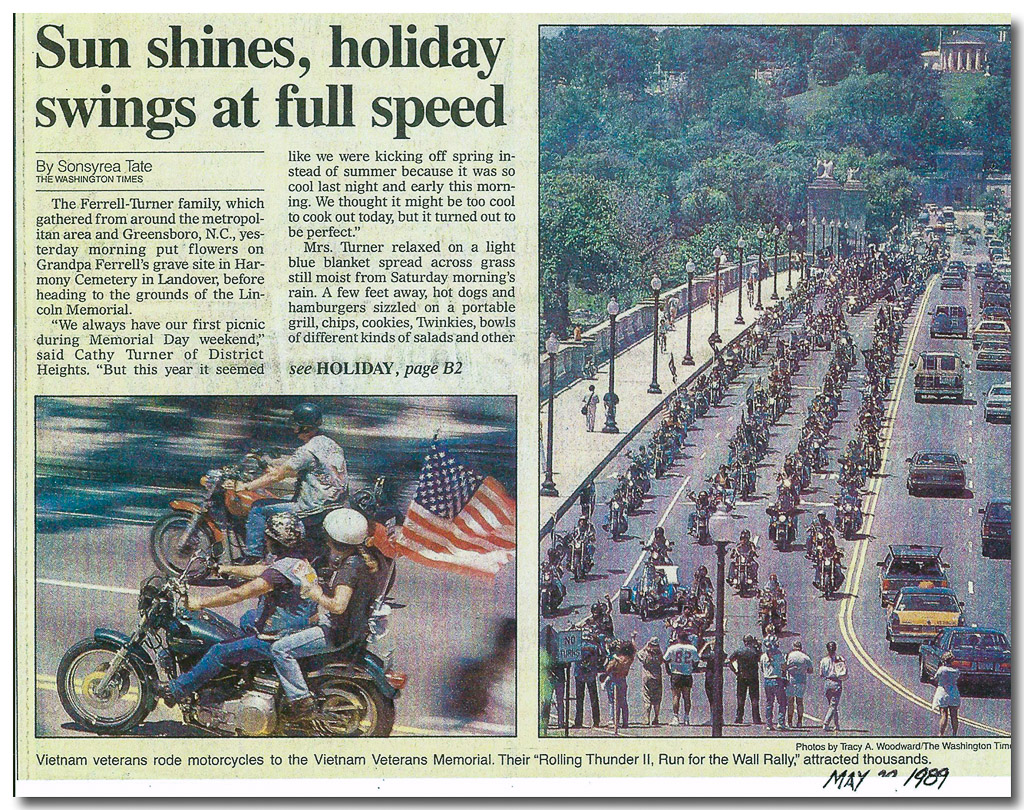
So much attention was given to the event that the next year ten times (30,000) the number of bikers showed. And the next year there was 90,000. The bike rally quickly became a significant annual event.
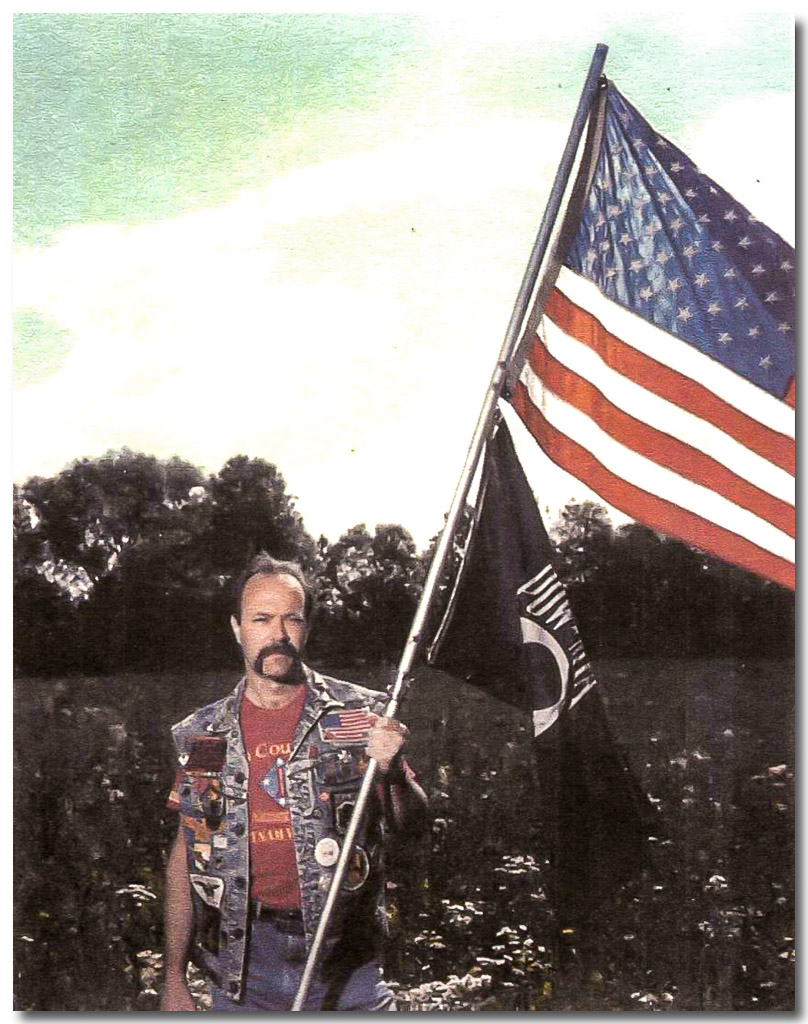
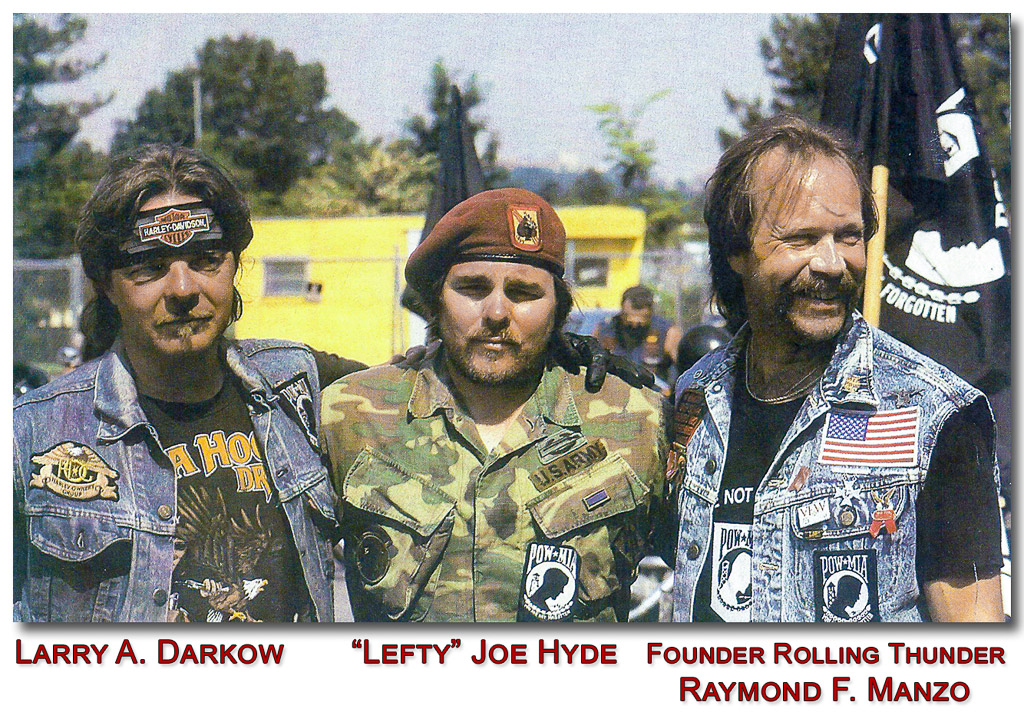
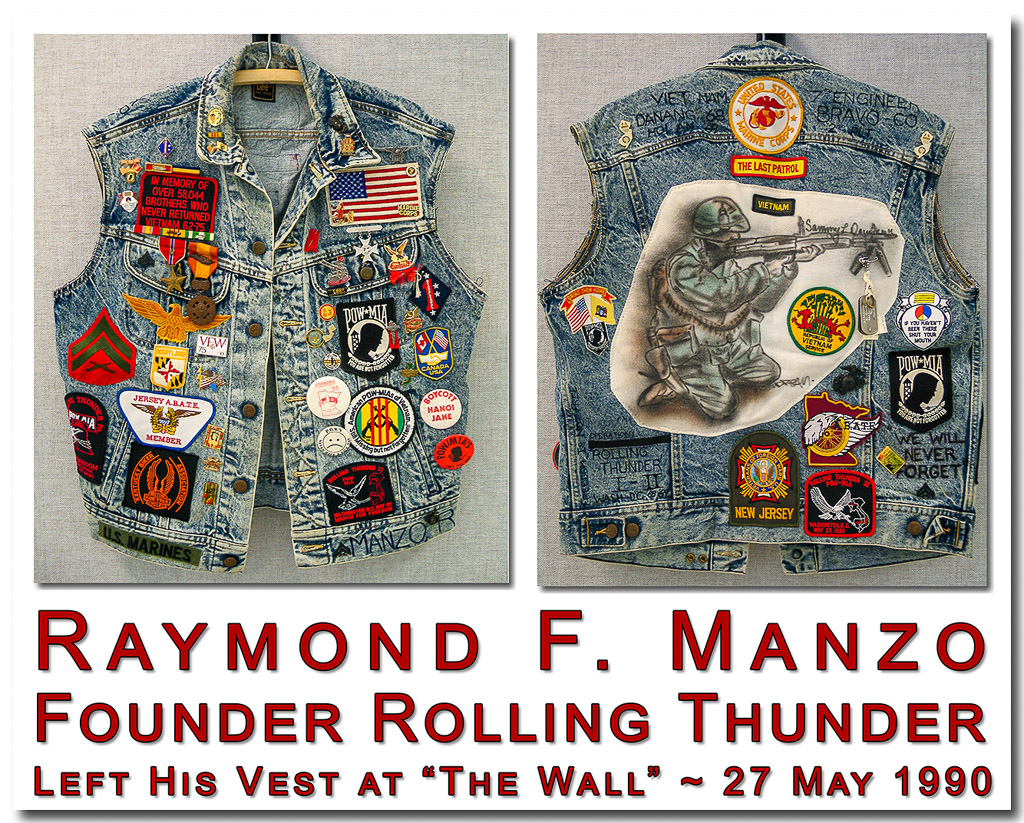
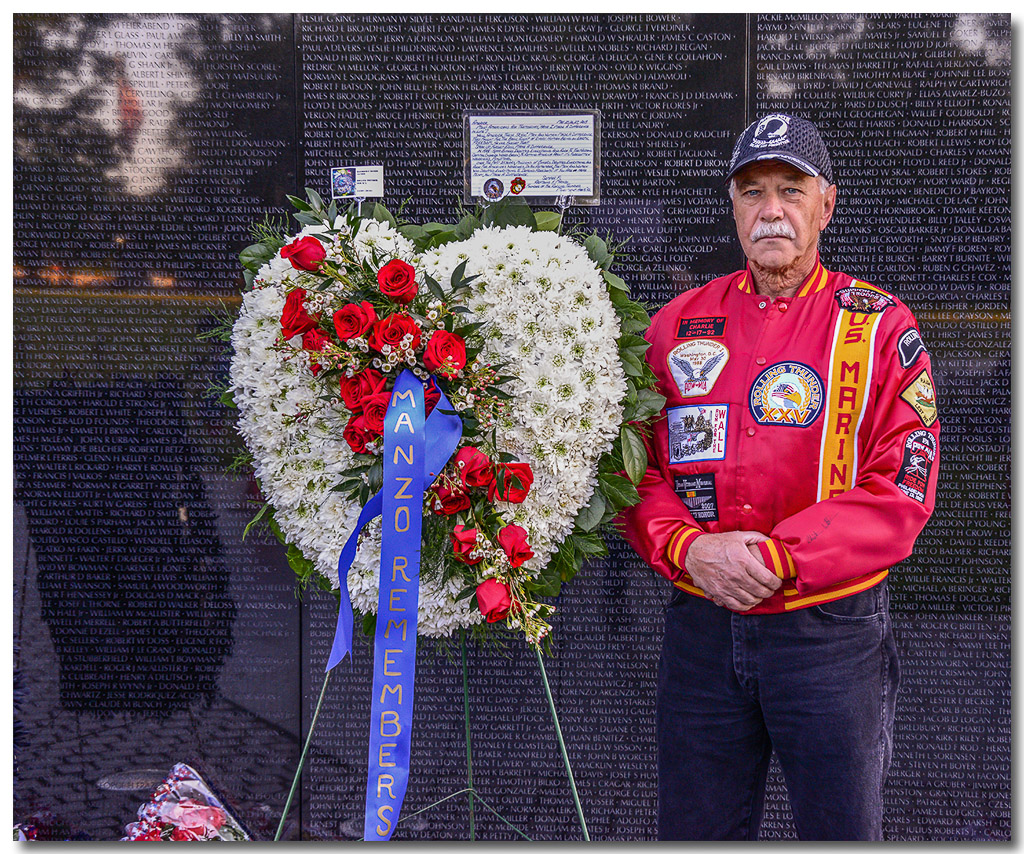
Cpl. Raymond F. Manzo, USMC
Rolling Thunder Founder
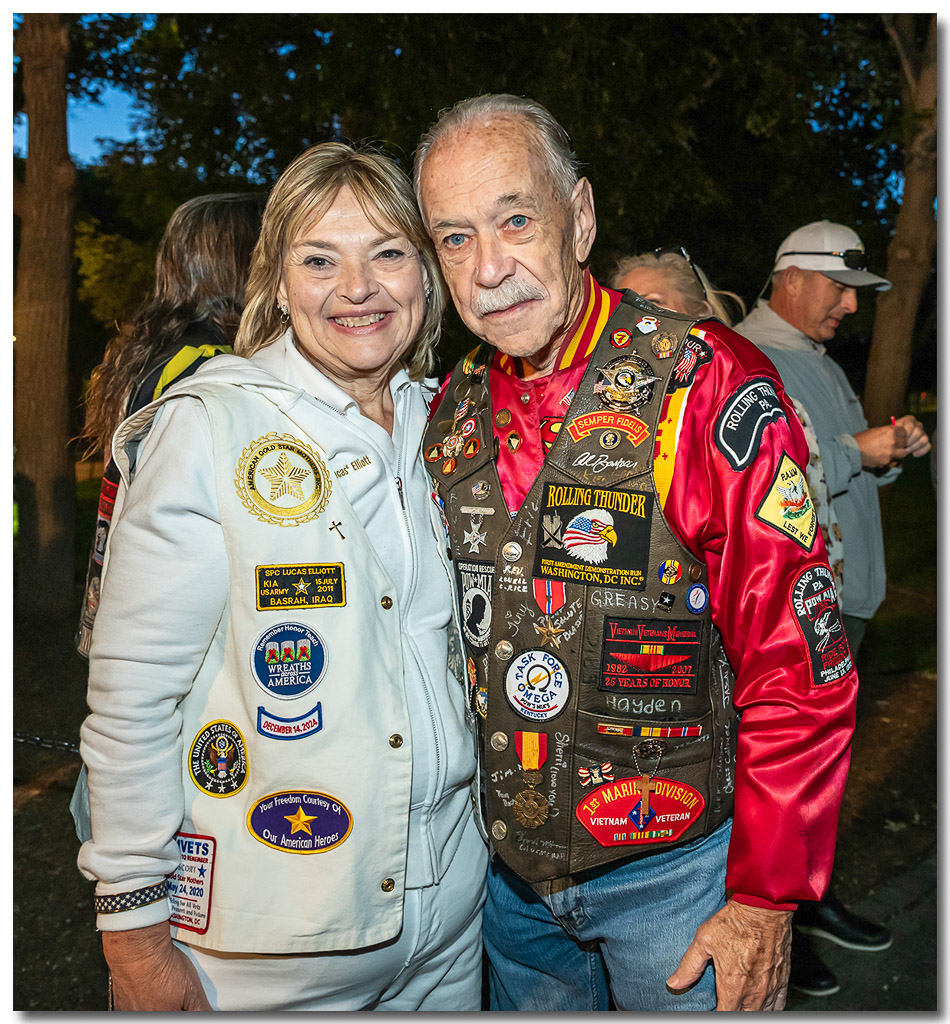
American Gold Star Mother PNP Patti Elliott with Ray Manzo at the Friday night candlelight vigil.
“Before we left for the first Rolling Thunder,” Manzo said, “I got a call from a sergeant at the Pentagon and I explained what we wanted to do. About an hour before we were to leave, he calls back and says: ‘The parking lot is yours. Just do us proud.’”
On the morning of the rally, Manzo spoke with the lieutenant in charge of the D.C. Police Motorcycle Division, which was to escort the parade. “I just explained to him why it was so important that we enter the city across the Memorial Bridge. He said to me, ‘You seem really sincere about this.’ Then he gets on his radio and says: ‘There’s been a change in the parade route. We’re coming across the bridge.’”
Crossing that bridge in 1988 were an estimated 3,000 to 5,000 bikers who’d been inspired by Manzo’s call. “It was like a natural high,” recalled Manzo. “Here’s all these people who don’t know me from Adam, who thought the ride was a worthy thing to do.”
Manzo anticipated that Rolling Thunder would be a one-shot deal. Its mission was to spur immediate action to force the U.S. government to resolve claims that American POWs were still alive in Southeast Asia. Nonetheless, with enthusiasm running high for the “Run,” Manzo agreed to lead the effort for “Rolling Thunder II” the following year.
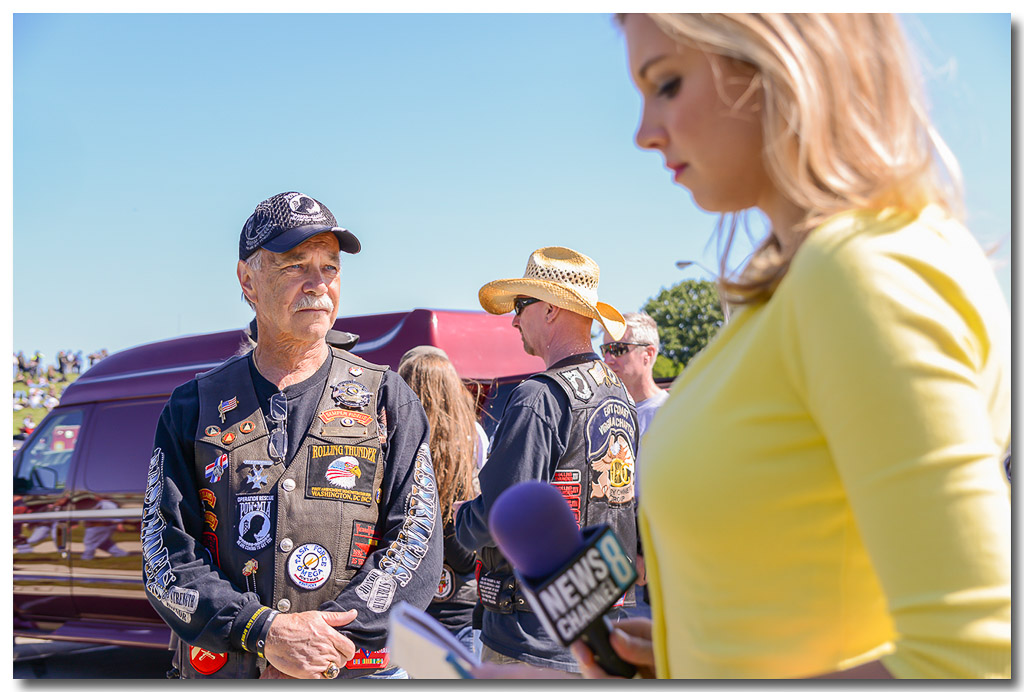
Ray Manzo interview in the North Pentagon lot prior to the start of anther Rolling Thunder Demonstration “Ride For Freedom”.
After four years Ray Manzo passed the torch of organizing the event to others. His goal had been achieved. Congress and the public had taken notice.
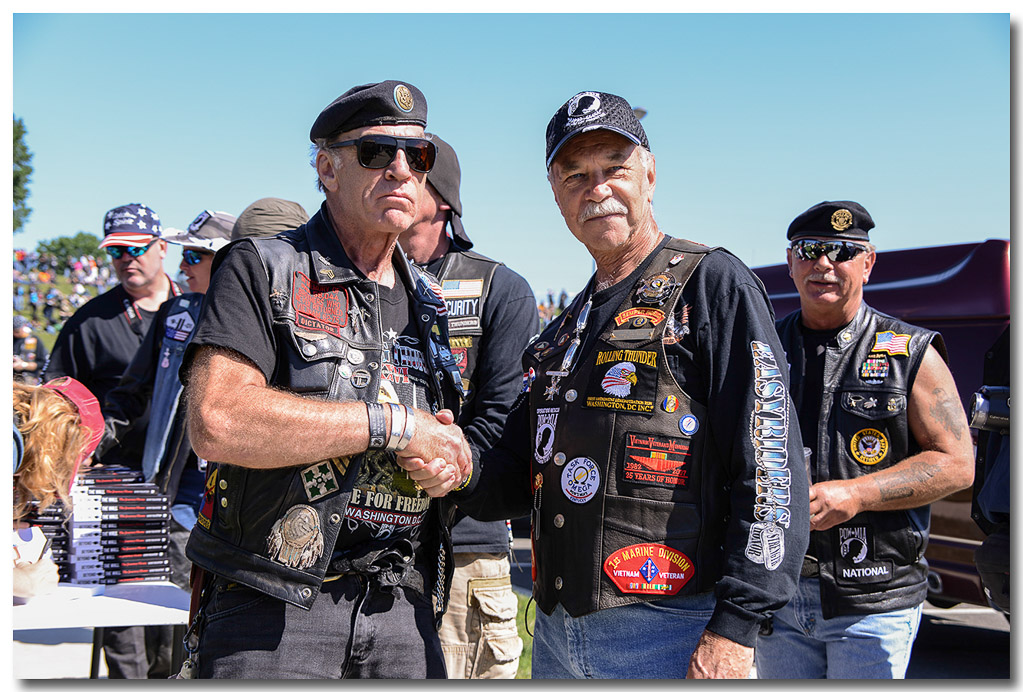
Sgt. Artie Muller with Cpl. Ray. Manzo
Rolling Thunder has made a difference. They were influential in the passing of the Missing Service Personnel Act of 1993. The bill states that a service member cannot be listed as killed in action (KIA) without substantial evidence.
In 1995, they were responsible for the creation of a POW/MIA postage stamp. Rolling Thunder continues to work with the U.S. government for information about servicemen and women from Vietnam. In 2006, they co-authored the Respect for America's Fallen Heroes Act. Ray says that over the decades 1500 bodies of soldiers that were killed in action in Vietnam have been brought back to the U.S. for burial. “Rolling Thunder” no doubt played a role in that.
Today they have almost a hundred chapters throughout the country. While many members are veterans and own motorcycles, neither is a requirement for membership.
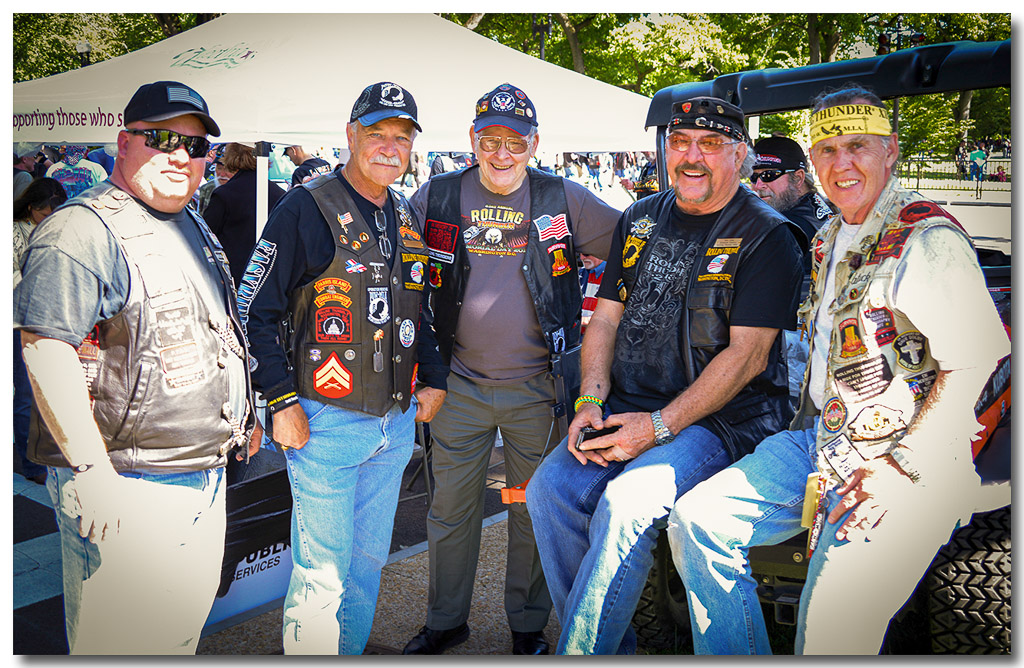
Travis Haymore, Ray Manzo, Larry Stark (former Vietnam POW), Walt Sides and Patrick J. Hughes in Thunder Alley.
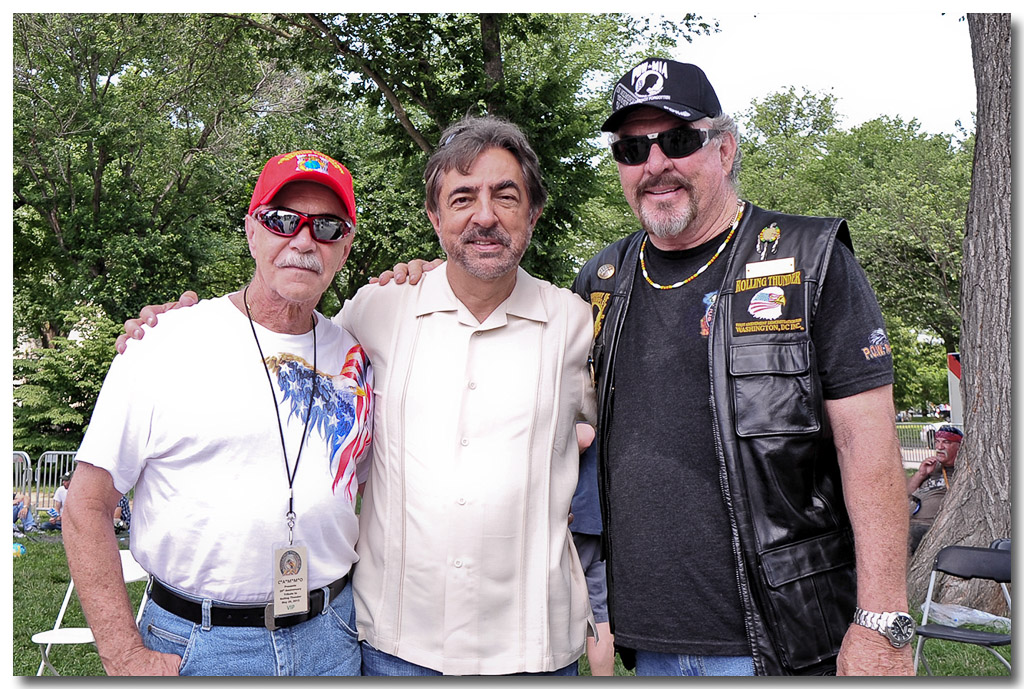
Ray Manzo, Joe Mantegna, Walt Sides
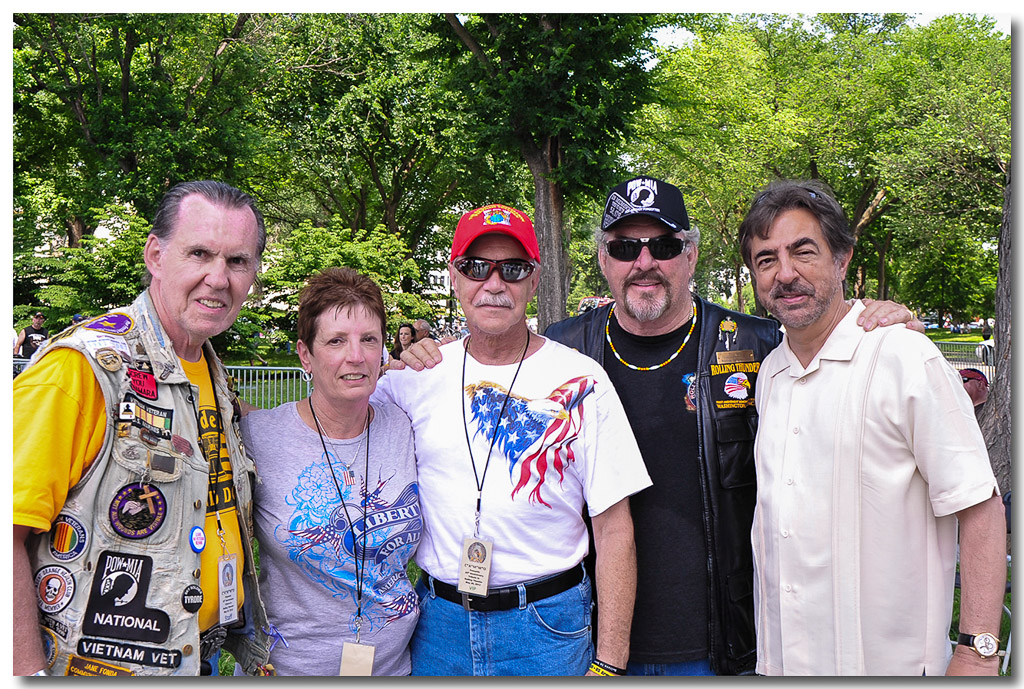
Patrick J. Hughes, Eunice Manzo, Ray Manzo, Walt Sides and Joe Mantegna
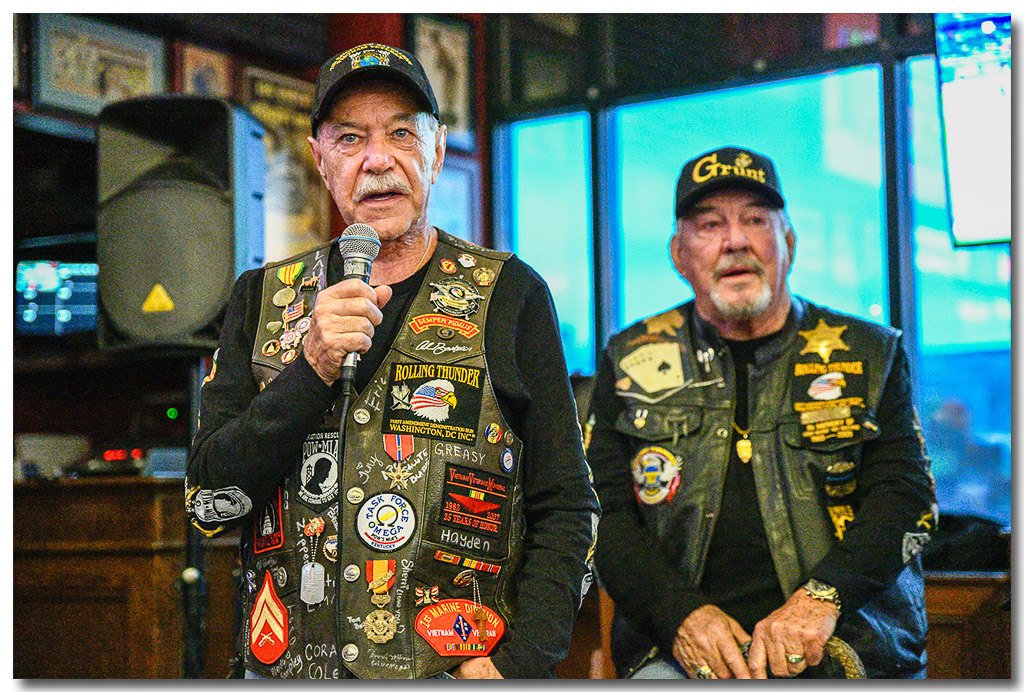
After the Run there is a celebration dinner at the Sports Bar on 23rd Street in Crystal City, VA. Ray was talking about the success of Rolling Thunder and thanking all those who volunteer their time to make this a success.
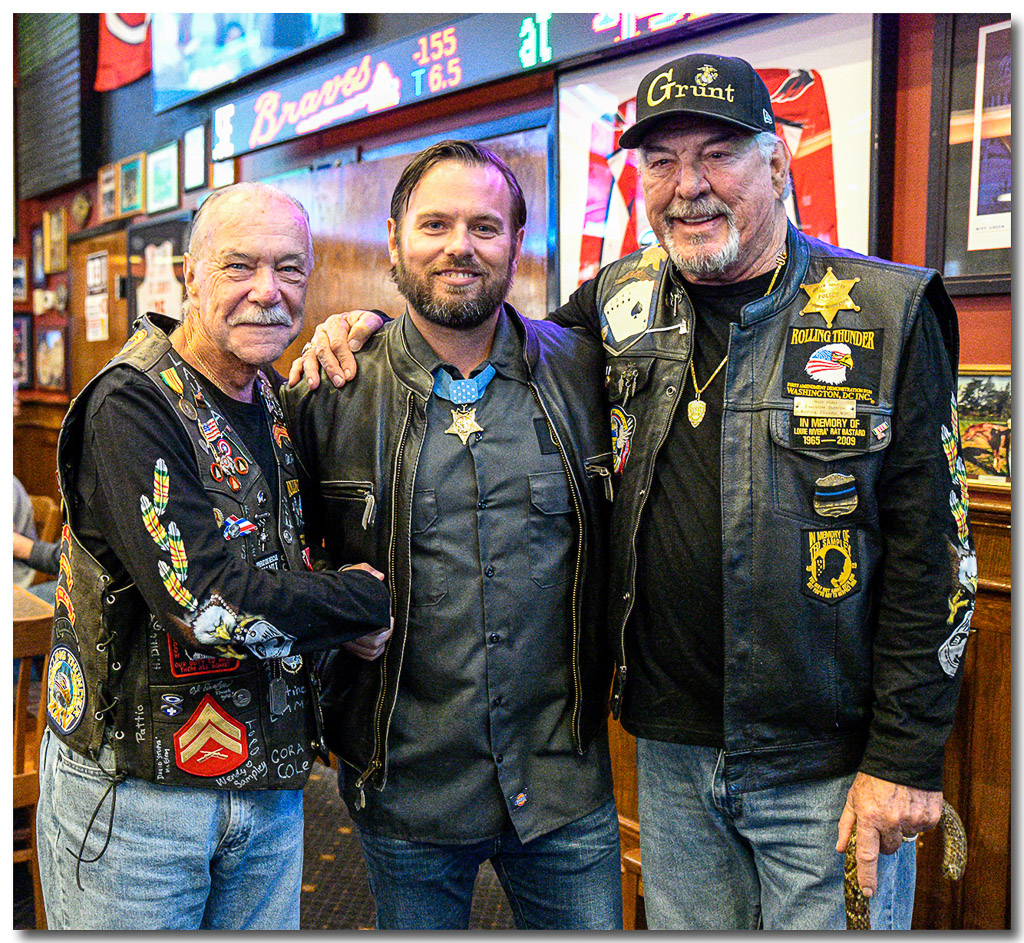
Ray Manzo, MOH Edward C. Byers Jr., Walt Sides
Chief Special Warfare Operator (SEAL) Edward C. Byers Jr. received the Medal of Honor on February 29, 2016, for the rescue of a civilian in Afghanistan in 2012 in support of Operation Enduring Freedom.
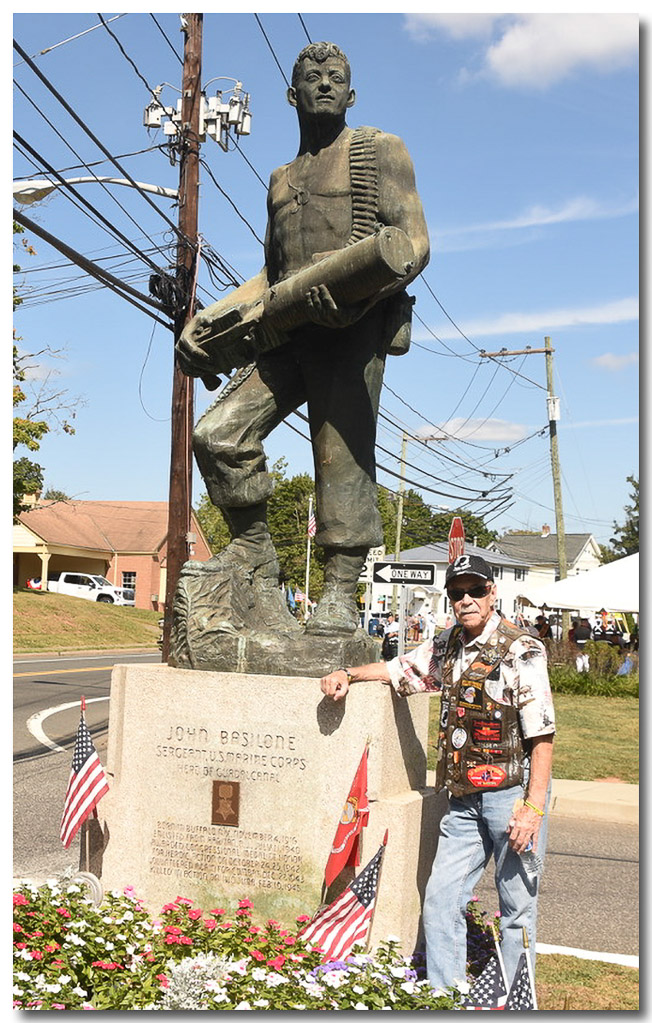
The John Basilone Parade Committee was proud to have Ray Manzo as Grand Marshal.on Sunday, September 22nd 2024. The parade goes through downtown Raritan.
Photo by Jay Hirsch
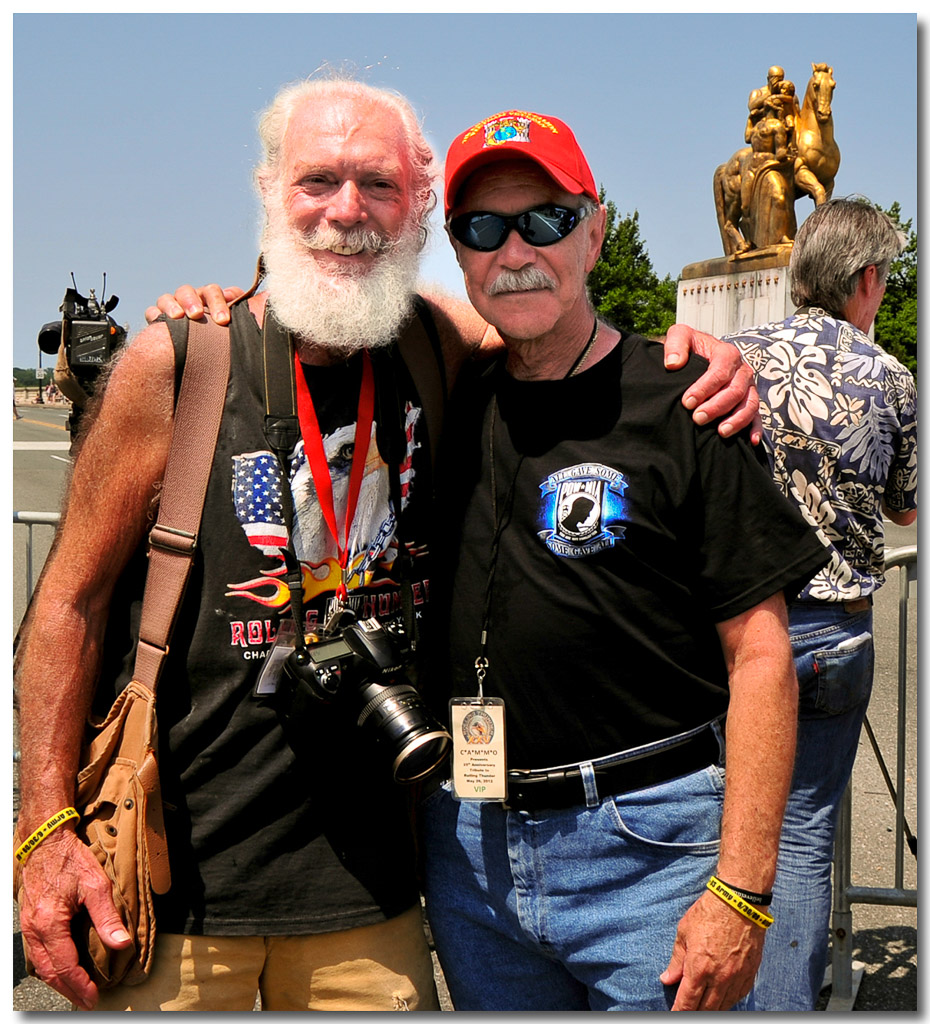
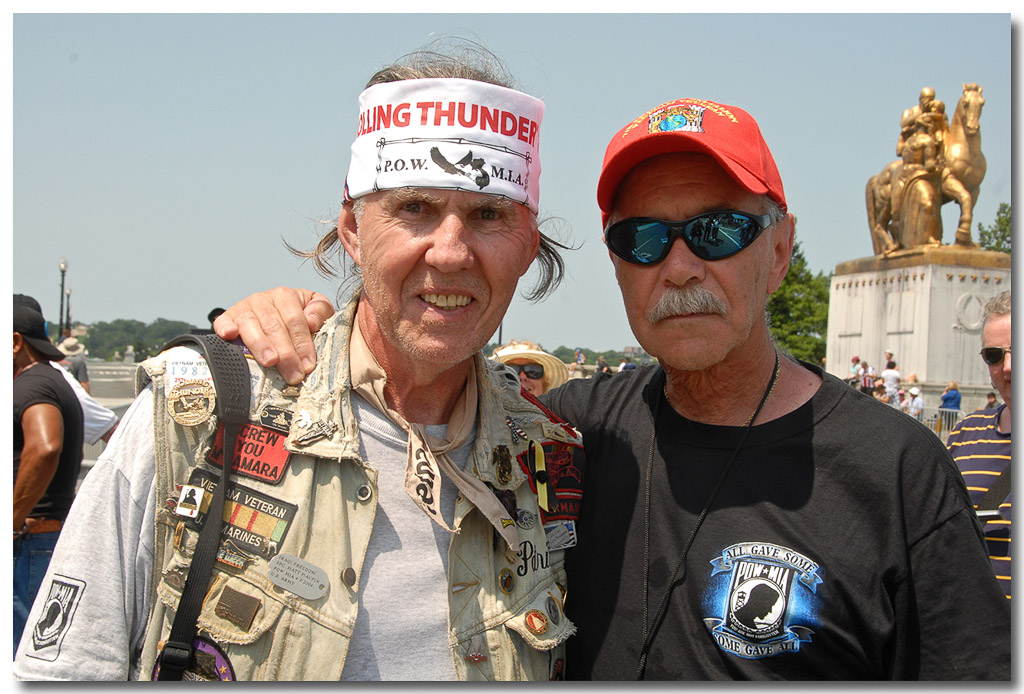
Photographer Jay Hirsch, Vietnam Veteran with our friend Cpl Raymond F. Manzo
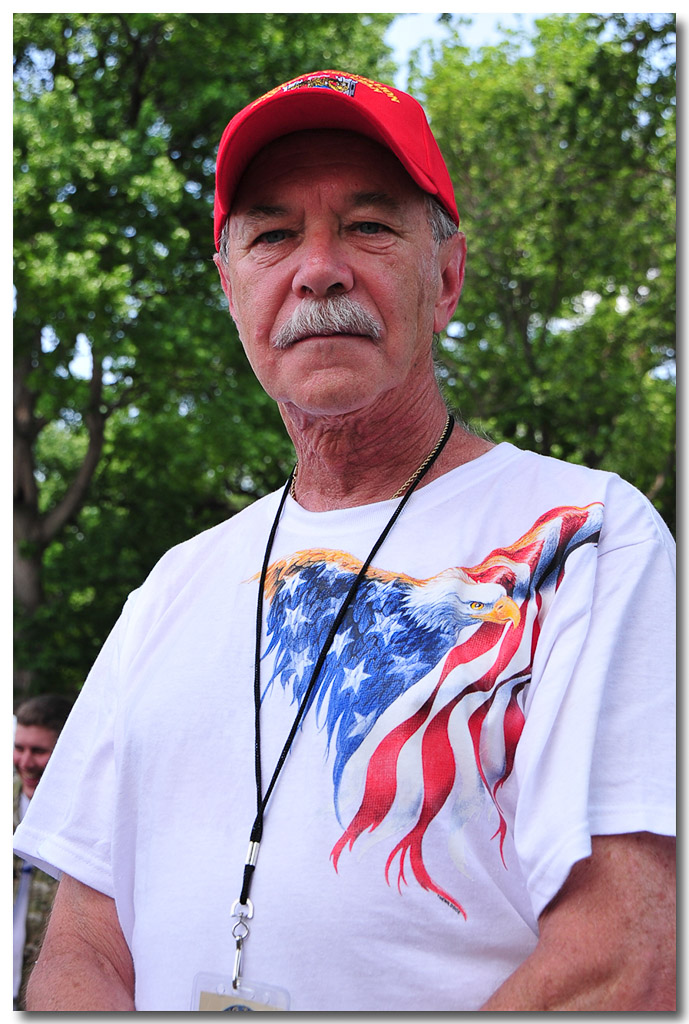
Honored to know and be a friend of the founder of the first Rolling Thunder Cpl. Raymond F. Manzo

Share Share Tweet Share Pin It Email